
Introduction:
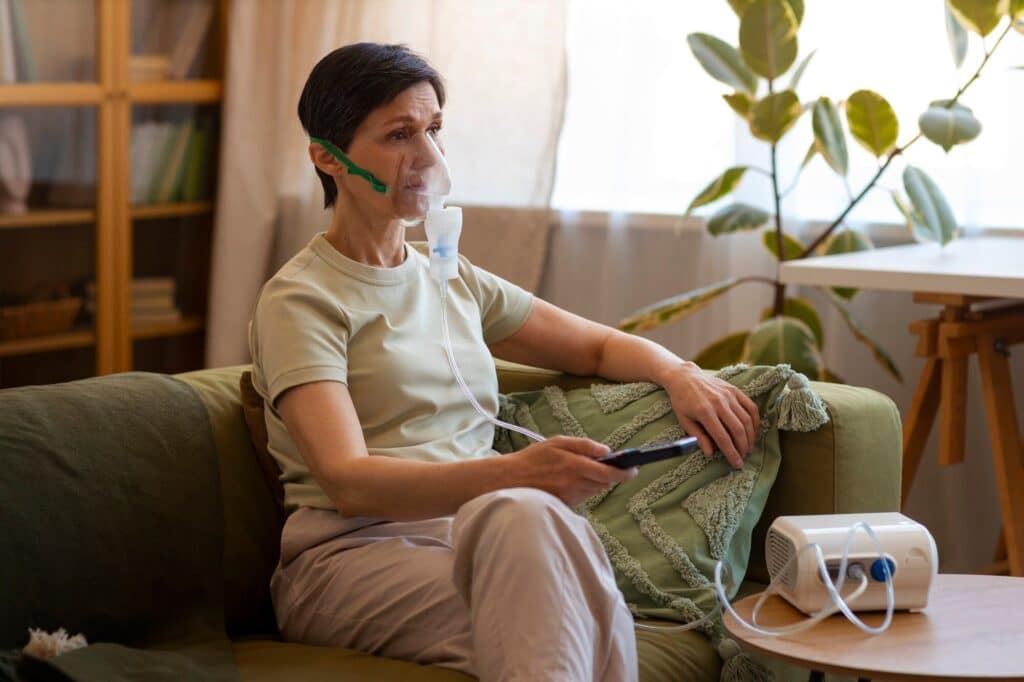
Using oxygen at home requires careful precautions to prevent accidents and ensure patient safety.
Keep oxygen at least 5 feet away from heat sources and open flames
Oxygen supports combustion, so it’s essential to keep tanks and concentrators away from stoves, candles, fireplaces, or any heat source. Maintaining distance reduces the risk of fire hazards.
Secure oxygen tanks upright to prevent tipping
Oxygen tanks should always be stored upright in a stable location. Tipping or falling tanks can cause leaks, damage, or accidents. Use holders or brackets designed for oxygen storage.
Use only approved electrical equipment near oxygen
Only use electrical devices and equipment that are approved for use around oxygen. Unapproved devices may spark and create a fire risk. This includes heaters, fans, or other household electronics.
Store oxygen in a well-ventilated area away from direct sunlight
Oxygen tanks should be kept in a ventilated space to prevent oxygen buildup and overheating. Avoid storing them in closed cabinets or areas exposed to sunlight to ensure safe and stable conditions.
Prevent falls by securing tubing, removing trip hazards, and keeping pathways clear
Oxygen tubing can be a tripping hazard. Arrange tubing along walls or under mats, remove clutter, and maintain clear walkways to reduce fall risk and ensure patient safety.
Conclusion:
Following these home oxygen safety practices protects lives by minimizing fire risks, preventing accidents, and ensuring safe oxygen use at home.