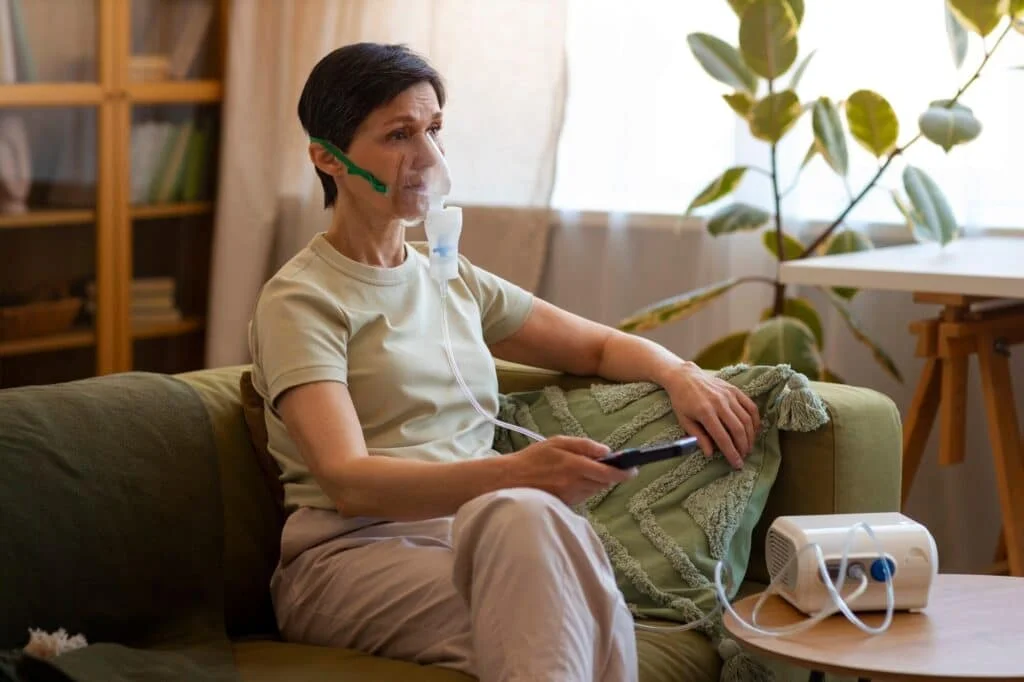

Introduction:
The first few weeks after hospital discharge are critical. Proper transition-of-care reduces complications, ensures continuity, and supports safe recovery.
Did you know the first 7–14 days after hospital discharge are the most critical?
The first one to two weeks after leaving the hospital are crucial because patients are most vulnerable to complications, medication errors, and new or recurring symptoms. Close monitoring during this period helps identify issues early and prevents unnecessary hospital readmissions.
Proper coordination reduces complications and hospital readmissions.
Coordinating care among doctors, nurses, therapists, and caregivers ensures everyone is on the same page. This reduces mistakes, ensures follow-up appointments are attended, and helps patients recover safely at home without setbacks.
Home health ensures continuity of care between hospital and home
Home health services bridge the gap between hospital care and independent living. Skilled nurses, therapists, and aides provide ongoing monitoring, therapy, education, and support, helping patients safely transition home while maintaining treatment plans and preventing complications.
Conclusion:
Effective transition-of-care strategies, including proper coordination and home health support, help patients recover safely, reduce hospital readmissions, and promote long-term well-being.